Back to selected work

Case study

ComicBlitz

VP, Marketing · 2017–2018

Three problems were killing ComicBlitz. None of them could be solved alone.

  • Reversed

    A declining MAU base

  • Unprofitable → durable

    Customer LTV crossed the line

  • 12%

    Average MoM growth, net of churn, over 12 months

Situation

ComicBlitz was a subscription mobile app marketed as "all you can read" comics, competing against comiXology. comiXology had Marvel, DC, Amazon's distribution, and a catalog several orders of magnitude deeper than ours.

When I came in as the first senior marketing leader, the business was running out of runway. Monthly active users were declining. Customer LTV sat below the cost of acquiring the customer in the first place, meaning the company was losing money on every signup. Paid acquisition was structurally impossible: there wasn't a positive return to spend against, and the budget to test wasn't there to begin with.

The team's working theory was that the answer was more comic book readers. The math said the answer had to be something else entirely. We couldn't outspend the incumbent. We couldn't out-catalog it. Whatever was going to save the business had to come from a different theory of the company.

Diagnosis

The first signal came from cancellation reasons captured at churn. The pattern in the open-text responses pointed at problems the team hadn't been treating as connected. I followed the signal into customer interviews, and three failures came into focus.

Failure 1

The audience was wrong

"All you can read" was aimed at hardcore comic readers, and hardcore comic readers were already on comiXology. They had the canon those readers cared about. ComicBlitz couldn't win that fight. But the interviews surfaced a different group already showing up in the data: fans of the indie studios we did have. Many of them were artists themselves, active on platforms like DeviantArt, drawn to indie work because the unconventional styles, stories, and voices gave them creative inspiration for their own.

Failure 2

The trial economics were broken

A one-month free trial against a limited catalog meant most users finished everything they wanted to read before the paywall hit. They cancelled at the end of the trial, having never paid a dollar. The product was giving away its entire value before asking for any.

Failure 3

There was no retention engine

Even users who liked what they read had no reason to come back. New content wasn't being added fast enough, and existing content wasn't being surfaced in ways that pulled people deeper into the catalog. If someone didn't find a series they loved in the first session, churn was effectively instant.

The three problems compounded. Wrong audience meant the product wasn't designed for the customers who would actually pay. Broken trial economics meant even the right customers were trained to leave. No retention engine meant nothing pulled them back. Solving one without the others would have failed.

What I did

Three coordinated fixes, sequenced so each one made the next viable.

Move 1

Reposition around the creative community

We weren't building a smaller comiXology. We were building a comics platform for the creative community, a place where artists and aspiring artists could discover the unconventional styles and stories that would inspire their own work.

New audience, new message, new value proposition. Every downstream decision flowed from this call: who we wrote for, what we surfaced, how we spoke, where we showed up. The repositioning didn't require acquiring a new audience from scratch. It required recognizing the one we already had and designing for them.

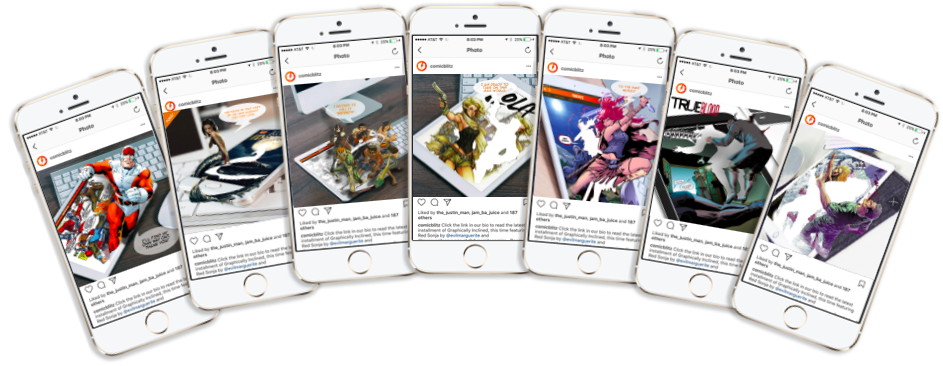
A fan of seven iPhones showing ComicBlitz social media posts featuring indie comic art
Social content built for the creative community we'd repositioned around.

Move 2

Fix the trial so the business model could work

The trial period dropped from one month to two weeks. That single change cut the window in which a user could consume our catalog without paying, and it pulled the conversion moment forward into the period when engagement was still high.

We also added weekly reading limits as a softer gate. In practice they didn't move the needle, because the catalog wasn't deep enough for the limit to matter. The trial change was the real lever, and the gating was a marginal supporting move. What mattered was that the business stopped giving away its entire value before asking for any.

This fix made everything downstream possible. With trial economics repaired, every retention point we added turned directly into LTV. Without it, the rest of the work would have leaked out the bottom of the funnel.

Move 3

Build a two-surface retention engine

The new audience gave us something the old strategy didn't have: community gravity. A creative community engages with creators, with each other, and with the work itself. Editorial wasn't a marketing tactic. It was the mechanism through which retention and word-of-mouth growth would happen.

I built the content engine to do two distinct jobs on two distinct surfaces.

Email handled personalized retention. Recommendations based on the specific genres and studios each user actually read. The job was to give every individual subscriber a reason to come back next week, tied to what they had already shown they cared about. This was the layer that moved LTV.

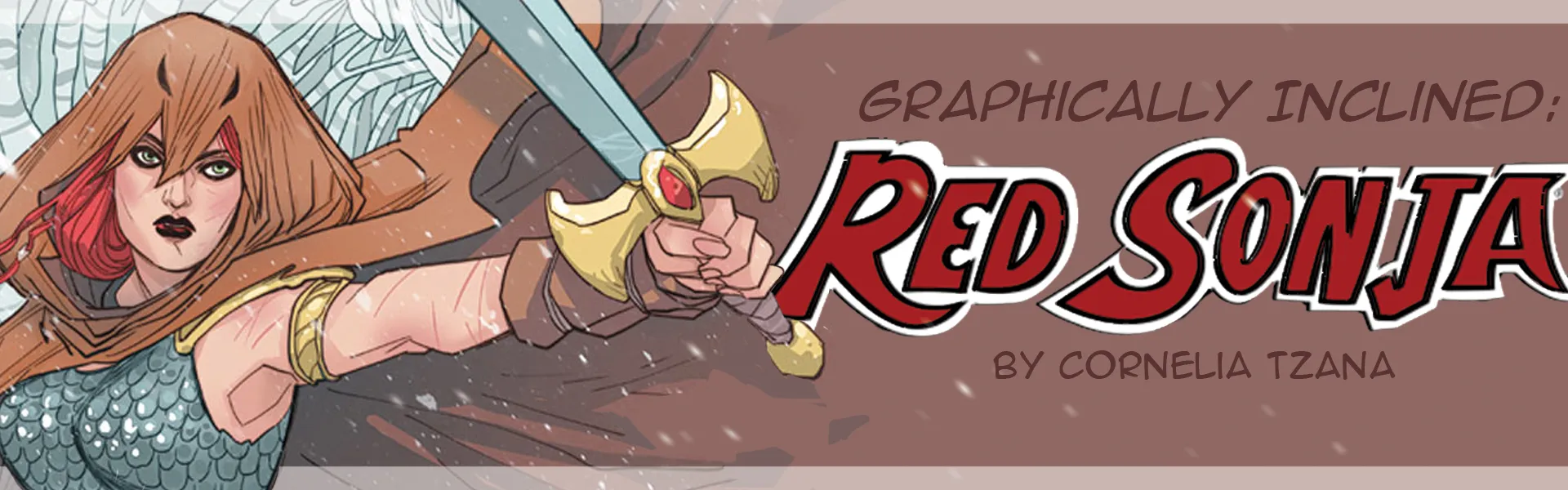
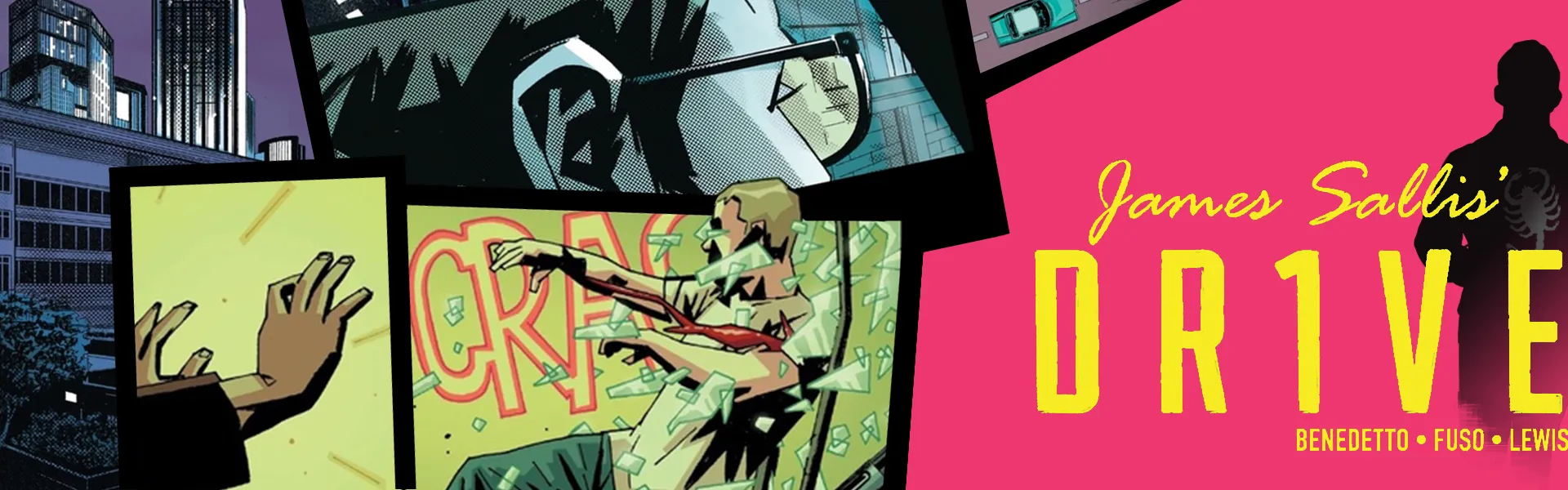
The Bolt handled public discovery and brand voice. Staff Picks pointed readers toward titles they wouldn't have found themselves. Original content series like Casting Call, Comix 101, and Graphically Inclined gave the creative community craft breakdowns, thought experiments, and unique perspectives that competitors weren't producing. Editorials took positions on issues in the industry, from female creator representation to racism in the cosplay community, giving the brand a credible voice. The community shared what we made, because community-driven audiences share, and that organic reach became our top-of-funnel.

Same content engine. Two surfaces. One drove LTV. The other drove WOM and acquisition. Together they did what paid couldn't.
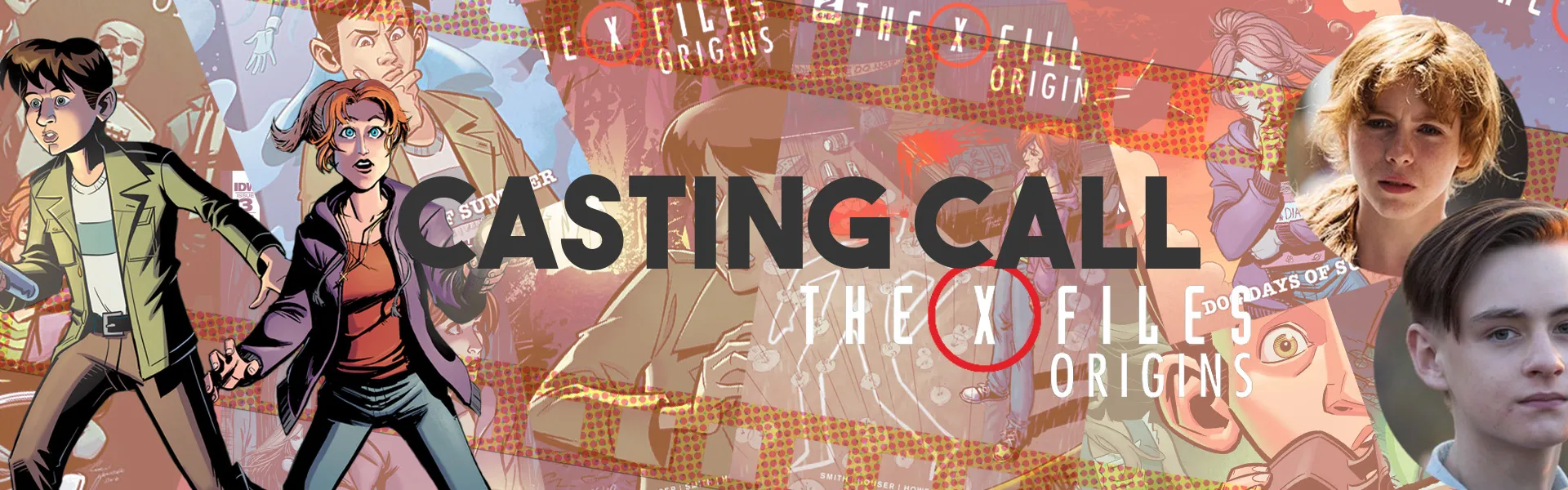
Casting Call: The X-Files Origins banner
Graphically Inclined: Red Sonja banner
Weekly Series Review: James Sallis' Dr1ve banner

Three of The Bolt's original content series: Casting Call (thought experiment), Graphically Inclined (craft breakdown), and Weekly Series Review (curated recommendation).

Results

The declining MAU base reversed. Across the next twelve months, monthly active users grew an average of 12% month over month, net of churn, meaning we were reversing churn and adding new subscribers at the same time, while a tighter trial window was mechanically reducing top-of-funnel volume.

Customer LTV crossed the line from below breakeven to durably profitable. The clearest way to read it: before the fix, the average customer paid for less than one month of subscription after signup. After, the average customer paid for 1.5 months. The business moved from losing money on every customer to making it.

The Bolt scaled to 10,000 monthly readers, almost all of them warm leads from the creative community we had repositioned around.

The deeper outcome: ComicBlitz had a position, a working business model, and a growth engine that didn't require outspending the incumbent. The company had a future.

Engagement

Duration

~20 months as VP, Marketing

Setup

First senior marketing leader at the company. Built positioning, content, lifecycle, and trial economics from the ground up.

Constraints

Small team, limited paid budget, declining base, competing against a vastly better-resourced incumbent. The strategy had to win on positioning, economics, and editorial, not spend.

If something in your growth story isn't adding up, let's diagnose it together.